What Affects the Life of FAE Mulcher Teeth
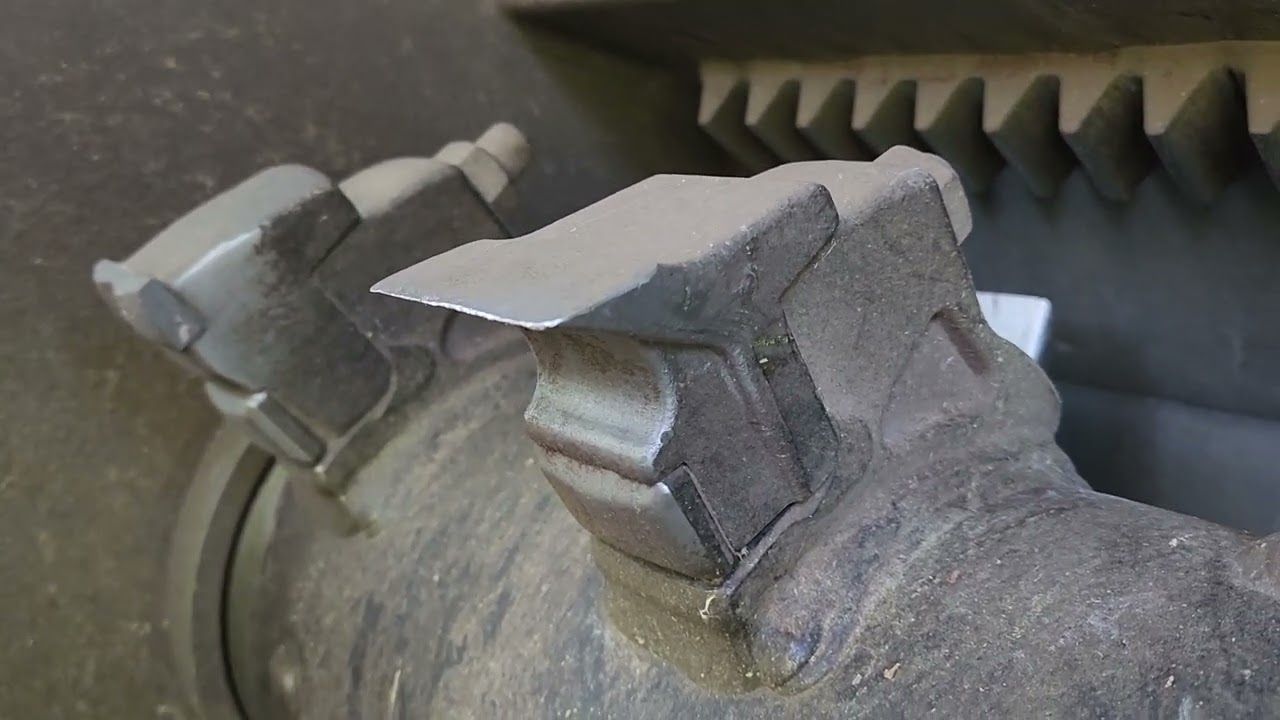
FAE mulcher teeth are cutting elements utilized in forest machinery that help to shred trees, shrubs, and other vegetation materials. Being mounted on a revolving drum, they are continuously subjected to impacts during operation. For that reason, the service life of these elements depends on a number of operational and maintenance factors. It should be noted that there is no single cause for their malfunctioning. In most cases, the wear of fae mulcher teeth results from the interaction of many factors at once; some of which concern the condition of the ground, whereas others are determined by the manner of machine operation.
Type of Material Cut
The first factor that affects tooth life is the type of vegetation being processed. Soft grass and light brush place less stress on the cutting edge compared to thick branches or hardwood. When the machine operates in dense forest areas, the teeth must repeatedly break material. This constant resistance causes faster wear and reduces the sharpness of the cutting surface over time.
Presence of Hard Objects
Forestry land is rarely clean. Rocks, metal pieces, or hidden roots can be present in the soil. When mulcher teeth hit these objects, the impact is much stronger than cutting wood. These sudden hits can chip or crack the cutting edge. Even a few strong impacts can significantly shorten the tooth’s working life.
Ground Contact Level
The closer the teeth move to the ground, the higher the chance of wear. While cutting vegetation, the teeth sometimes come into contact with soil or gravel. Soil acts like an abrasive surface. Over time, this grinding effect slowly reduces the sharpness of the teeth, even if no large impacts occur during work.
Machine Speed Settings
Rotor speed also plays a role in tooth life. Higher speeds increase cutting force but also increase the impact each tooth experiences. When the machine runs at high speed for long periods, the teeth go through more cutting cycles in less time. This leads to faster natural wear compared to slower operation.
Operator Technique
How the machine is used directly affects tooth lifespan. Smooth and controlled movement helps distribute the load evenly across all teeth. If the machine is forced into dense material too quickly, the teeth experience sudden stress. This uneven load increases wear and can lead to early damage.
Maintenance Frequency
Regular maintenance helps extend tooth life. Checking for loose fittings or worn edges prevents further damage during operation. Neglecting maintenance allows small issues to grow. A slightly worn tooth can cause uneven cutting, which puts extra pressure on the rest of the system.
Tooth Material Quality
Not all FAE mulcher teeth are made from the same type of metal. Some use hardened steel, while others include reinforced tips for longer life. Higher-quality materials resist wear better under heavy use. In many field applications, systems supported by JYF Machinery are chosen for their stable performance under repeated impacts.
Heat Treatment Process
Heat treatment modifies the inherent strength of the metal. This prevents the tooth from breaking or wearing out due to continuous contact with tough surfaces. If the process is not done correctly, the tooth may become too brittle or too soft. Both cases reduce the part’s useful life under real working conditions.
Terrain Type
The condition of the land can be another determining factor for the durability of teeth. If the surface is rocky or uneven, there is a high probability of impact damage; if it is soft, there is a higher probability of wear damage. Wet surfaces can also cause problems, increasing resistance during cutting because mud sticks to the machine.
Cutting Depth
How deeply the teeth cut into vegetation affects stress levels. Deeper cuts require more force and increase the load on each tooth. Shallow cutting reduces stress but may require multiple passes over the same area. This balance between depth and efficiency affects long-term wear.
Installation Accuracy
Installation plays an important role in ensuring that each tooth is placed correctly. Loose-fitting causes more vibrations during operation. This vibration leads to uneven impact and faster wear. Correct installation helps maintain steady contact with vegetation during cutting.
Storage Conditions
Teeth can suffer even when idle due to improper storage. Corrosion may form due to moisture, while dust may affect their operation as soon as the machine resumes. The correct storage preserves the durability of the materials.
Conclusion
There are three factors that influence the service life of FAE mulcher teeth: soil conditions, equipment use, and material. Each of them increases wear in its own way and together influences the service life of the teeth. Awareness of these factors enables you to avoid surprises and maintain consistent cutting efficiency. For real-life use, timely teeth replacement is an important aspect.